




In The Footsteps Of Van Gogh
Live from the studios of Learn Hive in Manchester, this is “In The Footsteps Of Van Gogh.” I’m Haitham Almughairbi, founder and owner of Learn Hive. And this weekend, one of our clients, Çetin, is traveling across the Netherlands to visit several museums and historical locations connected to Vincent van Gogh. So today, this podcast explores Van Gogh’s early life, his search for purpose, his emotional instability, and the extraordinary transformation that eventually changed the history of art.
Van Gogh’s story begins very quietly in the Dutch village of Zundert in 1853. One of the most psychologically unusual details from his childhood is the fact that another child in the family, also named Vincent, had been stillborn exactly one year earlier. Imagine discovering that your own name had already been etched onto a gravestone before you were born. (Perhaps Çetin already knows what the word “etched” means. If not, that may become one small discovery from this podcast.)
It is difficult not to wonder whether this strange beginning influenced Van Gogh’s emotional sensitivity later in life. Historical facts cannot fully validate that connection, but the symbolism itself remains extraordinarily powerful. And while walking through the museums this weekend, perhaps Çetin might ask himself an interesting question: can places themselves preserve emotional atmosphere across generations?
Nature also became deeply important during Van Gogh’s early years. The countryside around Zundert consisted of fields, trees, mud roads, changing weather, and enormous open skies. And later, when examining Van Gogh’s paintings, nature rarely feels passive or decorative. The sky feels emotional. The fields feel emotional. Even the wind seems emotionally charged. If the weather turns grey or rainy during Çetin’s travels this weekend, the atmosphere may actually align more closely with Van Gogh’s emotional world rather than diminish it.
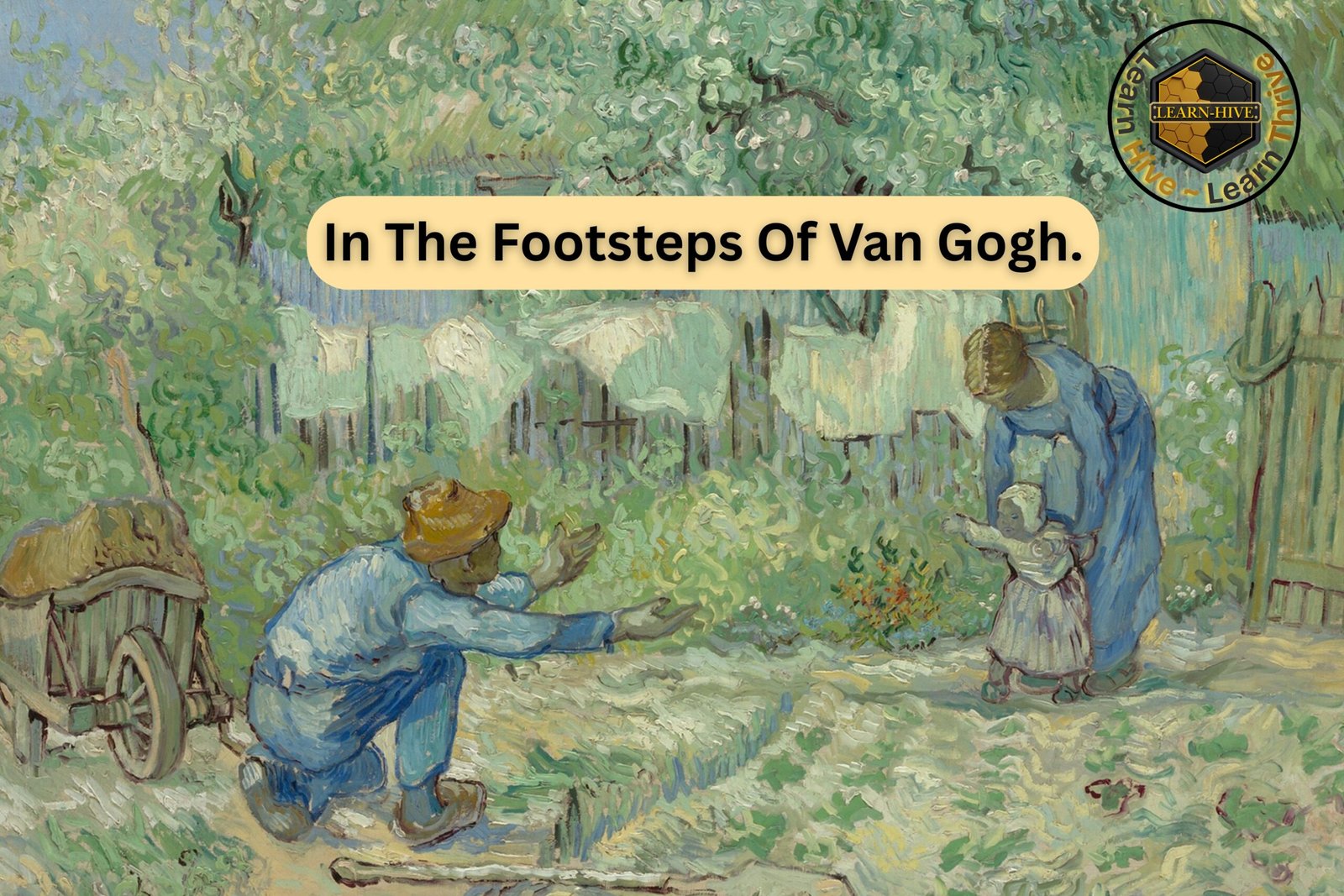
As a child, there was very little evidence that Van Gogh would eventually become one of the most important painters in history. He was stronger academically with languages than painting, and socially he often appeared withdrawn and isolated. At eleven years old, he was sent away to boarding school, where records suggest he became deeply unhappy. Many creative individuals might recognize that emotional pattern: observing the world more than fully participating inside it.
One of the most fascinating aspects of Van Gogh’s biography is the fact that he did not discover a clear direction in life until the age of twenty-seven. Before becoming an artist, he worked as an art dealer, teacher, bookseller, and religious preacher. None of these paths fully reconciled his emotional intensity with his need for purpose. And perhaps that uncertainty may feel surprisingly modern to many listeners today.
During his years in London, Van Gogh became deeply immersed in museums, literature, religion, and art. He visited institutions like the British Museum and the National Gallery, where he admired painters such as François Millet and Jules Breton, artists known for portraying ordinary workers and peasant life with dignity. He also read obsessively: literature, poetry, museum guides, magazines, and religious writing. It increasingly appears that Van Gogh was not simply searching for a profession. He was searching for meaning itself.
Religion became increasingly important during this period. His letters to Theo were filled with Bible quotations, reflections about sermons, and discussions about spiritual life. Yet at the same time, he became increasingly dissatisfied working in the commercial art world. Eventually, Goupil dismissed him entirely in 1876. Rejection appears repeatedly throughout Van Gogh’s life, and it often intensified his emotional instability rather than clarifying his direction.
After losing his position, Van Gogh returned to England and worked as a teacher at a boarding school in Ramsgate. Later he moved to another school near London where he was permitted to preach sermons to students and villagers. Yet none of these positions offered stability or long-term purpose. Eventually his father advised him not to return to England at all. It is interesting to consider whether Van Gogh himself fully understood what he was searching for during these years.
At another stage in his life, Van Gogh worked inside a bookshop near Rotterdam and later attempted to study theology in Amsterdam. However, he struggled badly with discipline and formal academic structure. Instead of preparing consistently for exams, he spent enormous amounts of time wandering through the city and taking long walks through the countryside. In retrospect, it almost seems as though movement, observation, and emotional experience mattered more to him than institutional success.
Eventually Van Gogh abandoned theology completely and traveled to Belgium to work as a lay preacher in the Borinage mining region. The conditions there were brutal: poverty, illness, exhaustion, dangerous labor, and extreme hardship. Van Gogh visited the sick, taught Bible lessons, and lived among the miners themselves. He even gave away many of his possessions and slept on the floor. His dedication became so extreme that local people nicknamed him “The Christ of the Coal Mine.”
Throughout all these years, Vincent continued writing letters and sending little sketches to his younger brother Theo. Eventually Theo proposed that Vincent should prioritize drawing more seriously. That advice became the turning point. Van Gogh gradually became convinced that art itself could become a form of spiritual service. Not religion through sermons, but through observation, humanity, and emotional honesty.
In 1880, at twenty-seven years old, Van Gogh finally committed himself fully to becoming an artist. In 1881, he moved back in with his parents and began practicing obsessively. Theo continued supporting him financially so he could focus entirely on developing his artistic technique. However, his parents were deeply disappointed by his decision because, at the time, becoming an artist was often associated with instability and social failure.
During this same period, Van Gogh became emotionally attached to his widowed cousin Kee Vos. She rejected him completely, yet he continued pursuing her anyway, creating major tension within the family. Eventually, after a serious argument with his father, Van Gogh left the family home on Christmas Day in 1881 and moved to The Hague. His emotional intensity repeatedly complicated both his personal and professional relationships.
In The Hague, Van Gogh studied under the artist Anton Mauve, who taught him the foundations of watercolor and oil painting. But even then, Van Gogh practiced obsessively. He spent enormous amounts of time improving his perspective drawing and technical skills. Looking back, it becomes easier to clarify why his later paintings feel so emotionally immediate: beneath the emotion was an enormous amount of technical discipline and repetition.
Yet emotionally, his life remained unstable. In 1882, he began a relationship with Sien Hoornik, a pregnant former prostitute who already had a young daughter. His family and friends strongly disapproved. However, Van Gogh felt sympathy toward her and became determined to support her emotionally and financially. For a period, they lived together, and she became both his companion and his artistic model. Eventually the relationship collapsed under emotional and financial pressure.
There is something deeply tragic about how often Van Gogh attempted to rescue other people emotionally while struggling to stabilize himself. After separating from Sien, he traveled to Drenthe to paint rural landscapes, moors, and countryside scenes. He admired the silence and isolation there, yet eventually the loneliness itself became psychologically overwhelming.
Later he returned to Nuenen, where he began developing one of his first major masterpieces: The Potato Eaters. And perhaps this painting reveals something extremely important psychologically about Van Gogh. He was not interested in glamorous subjects or wealthy society. He wanted to paint workers, farmers, and ordinary people sitting together under dim light after long days of physical labor. He wanted the painting to feel rough, dark, honest, and human.
At this stage, Van Gogh’s work remained extremely dark in tone. But eventually everything changed when he moved to Paris in 1886 and encountered modern art directly through Theo. Suddenly he was exposed to Monet, Toulouse-Lautrec, Japanese woodblock prints, brighter palettes, and experimental techniques. The transformation became extraordinary.
His paintings gradually became brighter, lighter, and more colorful. The dark earth tones of the Dutch countryside slowly gave way to cafés, flowers, boulevards, sunlight, riversides, and movement. While moving through the museums this weekend, perhaps Çetin might pay attention not only to the paintings themselves, but also to the psychological evolution taking place through color. It almost feels as though Van Gogh’s emotional world is becoming visually visible on canvas.
Yet despite all the artistic growth, Paris eventually became psychologically overwhelming too. In one of his letters, Van Gogh wrote that without peace and recovery, a person risks becoming emotionally numb inside a city like Paris. That observation feels remarkably modern even today.
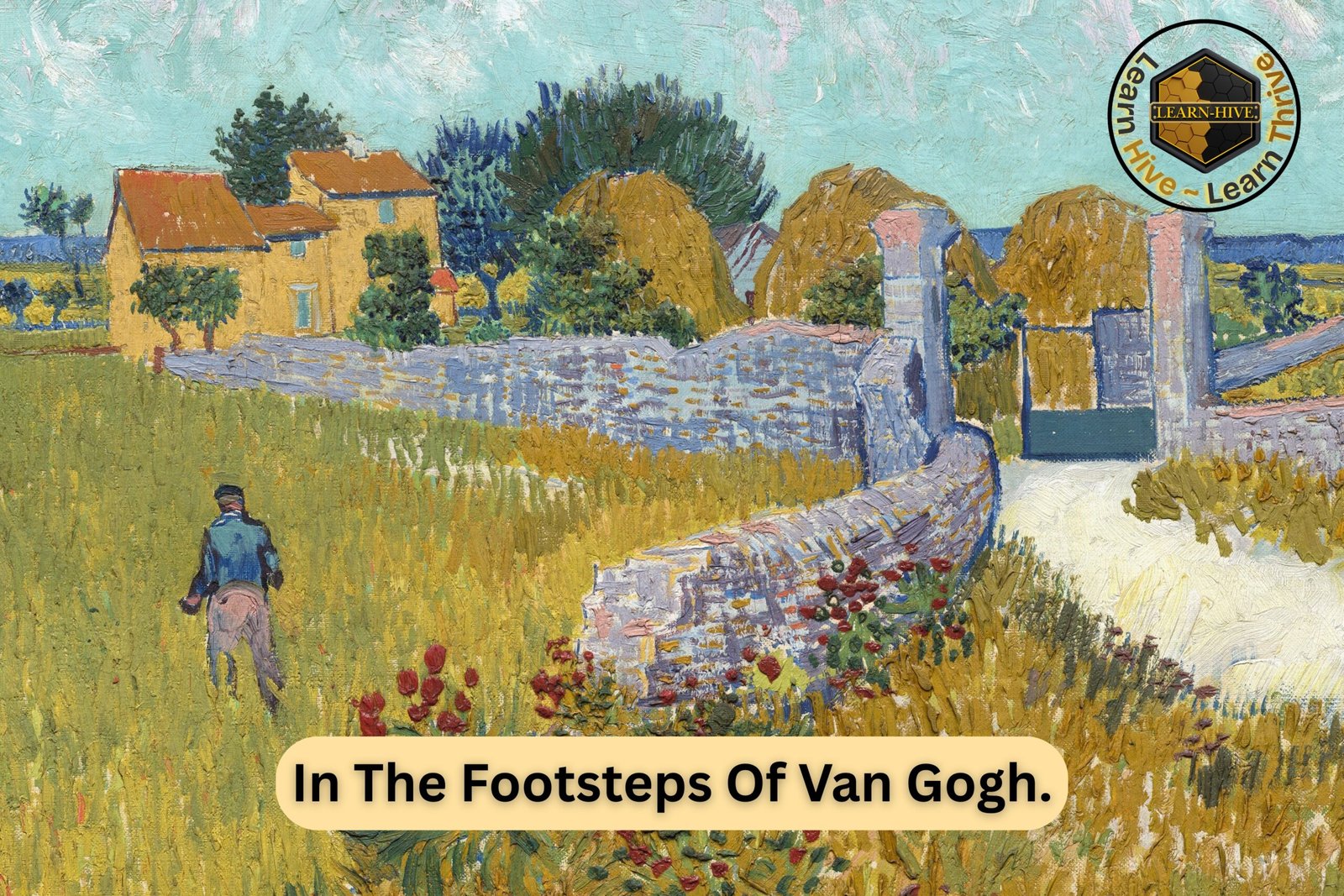
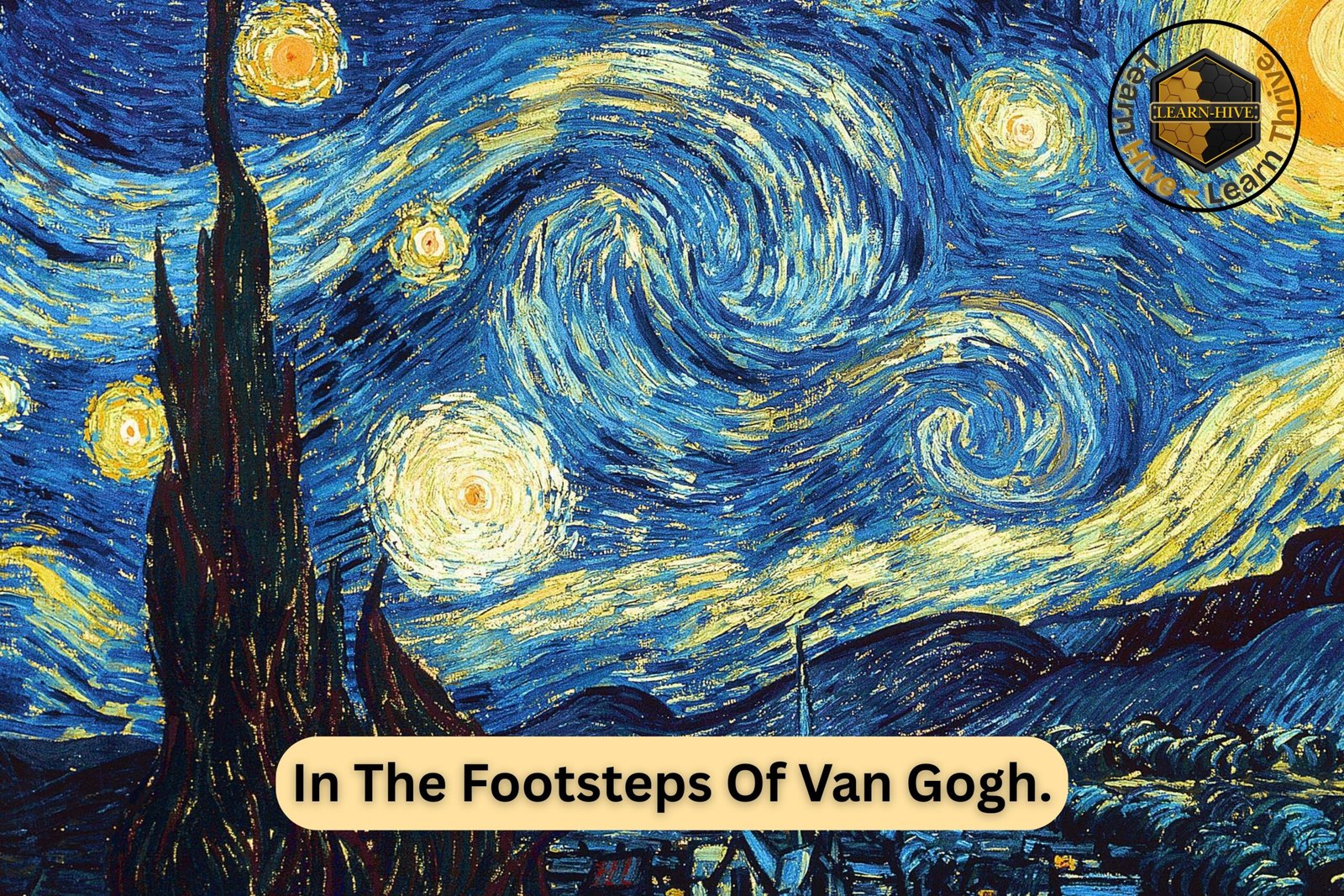
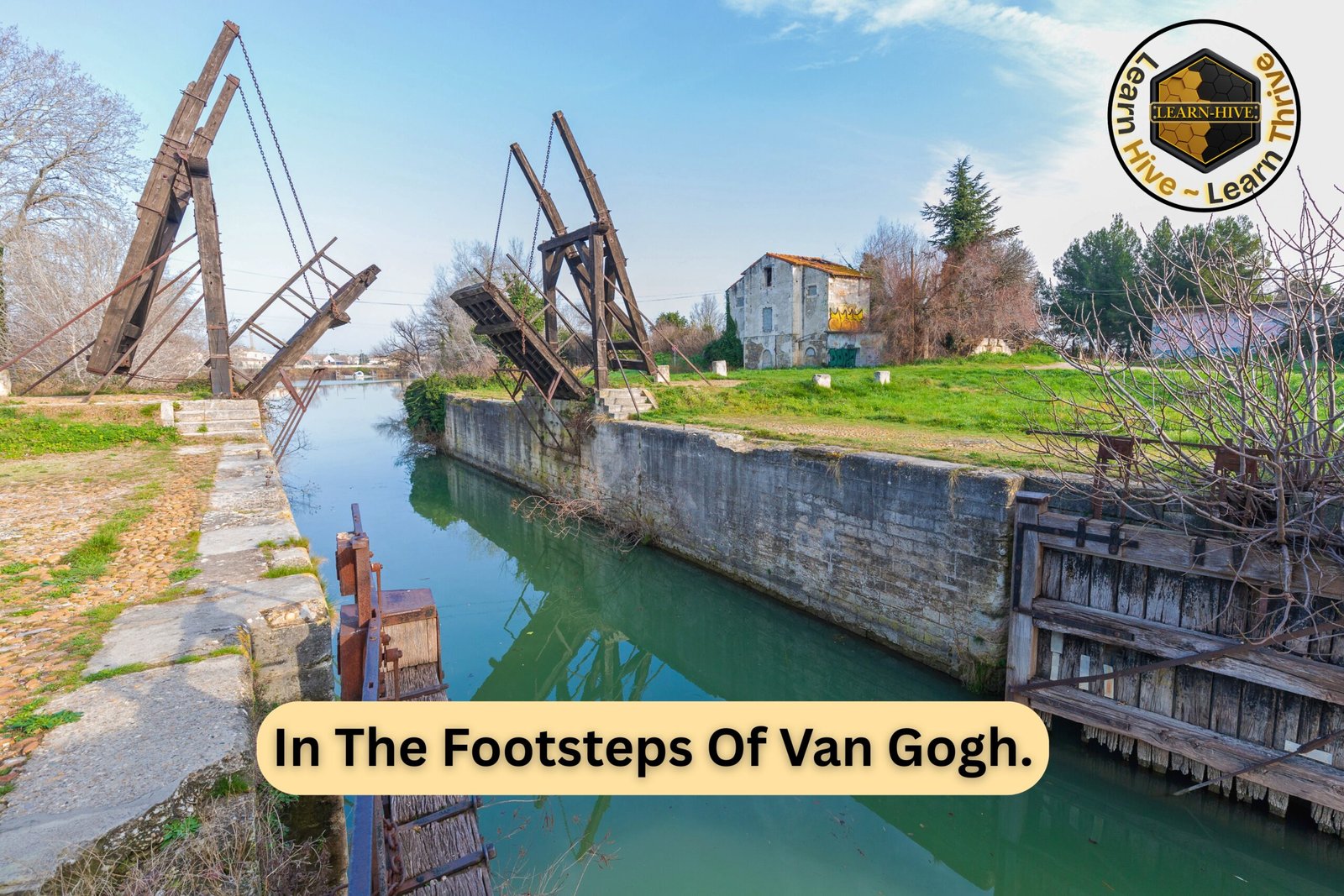
Eventually Van Gogh became obsessed with the idea of sunlight, open landscapes, and what he imagined as almost “Japanese” levels of clarity and color. So in 1888, he traveled south to Arles after a train journey lasting more than a full day. And perhaps this is the point where the Van Gogh most people recognize visually finally begins fully emerging.
More than a century later, people continue connecting emotionally to Van Gogh because he did not paint the world like a tourist observing beauty from a distance. He painted it like somebody desperately attempting to understand, reconcile, and emotionally connect with life itself.